By Dr Radha Popuri, Interventional Radiologist, Sydney Interventional Radiology
Varicose veins are abnormally enlarged or malfunctioning superficial veins that gradually become incompetent over time.
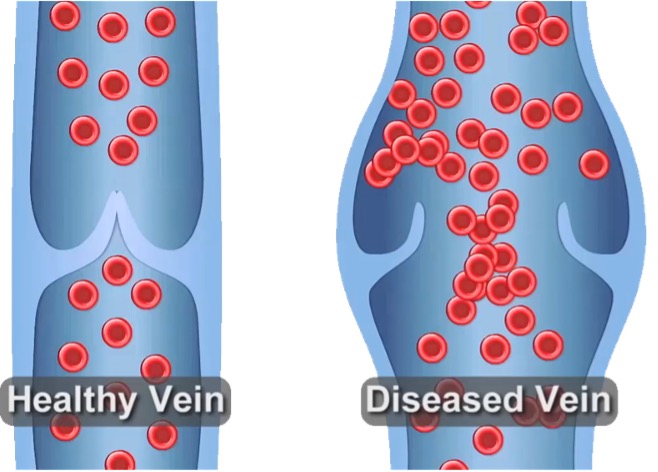
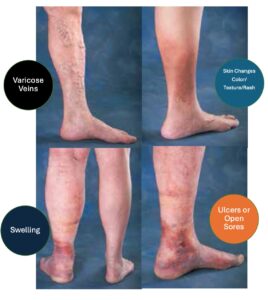
They often appear as twisted, rope-like veins under the skin and can cause symptoms such as aching, pain, heaviness, swelling, skin discolouration, and even ulceration.
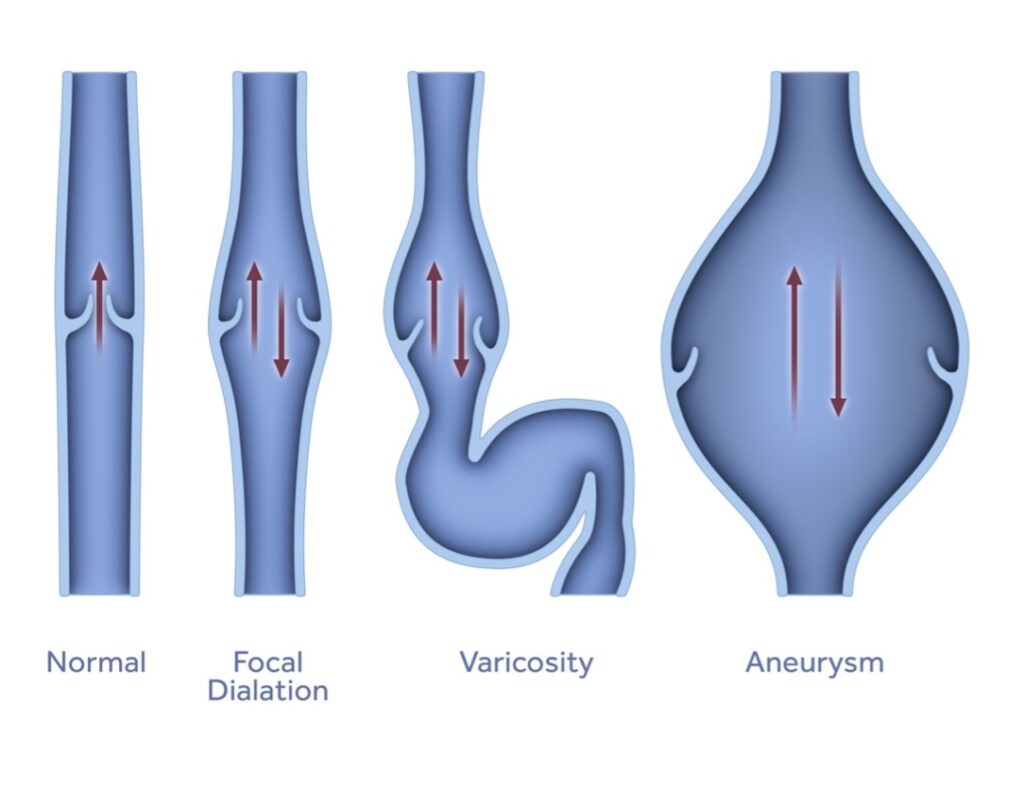
Varicose veins are common—especially in women, those with a family history, smokers, or people who stand for long hours or do heavy lifting.
Traditional Varicose Vein Surgery: Why It’s Outdated
For many years, surgical vein stripping was the standard treatment. However, this approach required general anaesthesia, hospital admission, and a prolonged recovery period. It also carried higher risks of complications such as infection, scarring, and nerve injury.
With the advancement of minimally invasive techniques, surgical stripping has now been replaced by safer, faster, and more effective image-guided options.
Modern Minimally Invasive Solutions by Interventional Radiologists
Today, endovenous ablation—performed by interventional radiologists—is the gold standard treatment for varicose veins. Using advanced imaging guidance, interventional radiologists can precisely target and seal the diseased veins without the need for open surgery.
There are two main techniques:
- Radiofrequency Ablation (RFA Varicose Vein Ablation)
- Laser Ablation (Laser Varicose Vein Ablation)
Both methods have over 98% success rates, minimal downtime, and excellent long-term results. These procedures are performed under local anaesthetic in an outpatient setting and typically take less than an hour.
Interventional radiologists are uniquely trained in image-guided, minimally invasive procedures. Their expertise allows for precise catheter and needle placement, reducing complications and ensuring better cosmetic and functional outcomes.
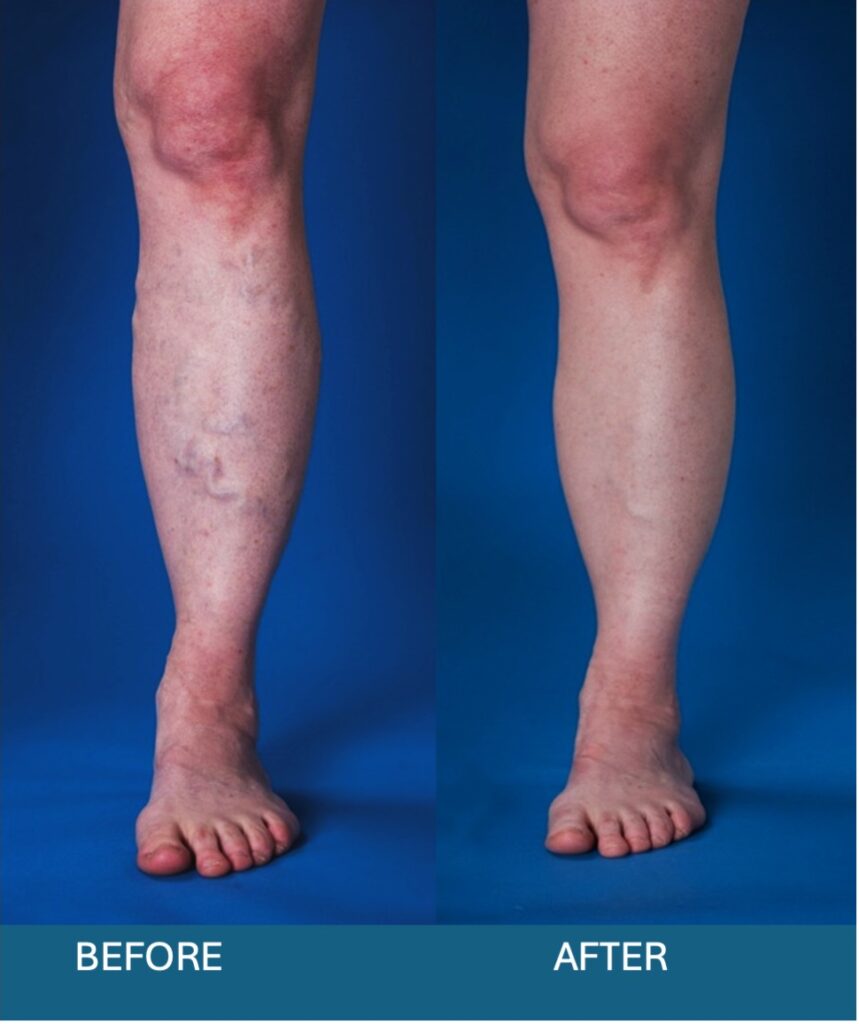
Before and after varisoce vein treatment.
What to Expect During Your Treatment
- Initial Consultation – A detailed clinical assessment and ultrasound vein mapping are performed to determine the best treatment plan.
- The Procedure – A thin catheter is inserted into the target vein under ultrasound guidance. After administering local anaesthetic, the vein is sealed using controlled heat energy (RFA or laser).
- Recovery – The procedure is quick and virtually painless. Patients walk immediately afterwards and can resume most normal activities the same day.
- Follow-up – A review and ultrasound are arranged within 1–2 weeks to confirm vein closure and assess healing.
Advantages of Image-Guided Varicose Vein Treatment
- No general anaesthesia or hospital stay
- Minimally invasive with tiny needle punctures
- Quick recovery—most patients return to work the next day
- Low risk of infection, scarring, or nerve injury
- Superior cosmetic results and long-term vein closure
- Tailored treatment plans combining ablation, ultrasound-guided sclerotherapy, or micro-phlebectomy as needed
Why Choose an Interventional Radiologist?
Interventional radiologists are specialists in performing ultrasound- and imaging-guided procedures. Their extensive training in vascular anatomy, image interpretation, and precision techniques makes them the most qualified professionals for modern varicose vein treatments.
At Sydney Interventional Radiology, Dr Radha Popuri has a special interest and extensive experience in varicose vein treatment. He offers the latest techniques in laser varicose vein ablation and RFA varicose vein ablation in Sydney—delivering optimal outcomes with minimal downtime.
Book an Appointment
If you are looking for the best varicose vein treatment in Sydney, come and see Dr Radha Popuri, interventional radiologist at Sydney Interventional Radiology.
Experience world-class, minimally invasive care for healthier legs and faster recovery.
Contact us today to arrange your consultation and ultrasound vein assessment.